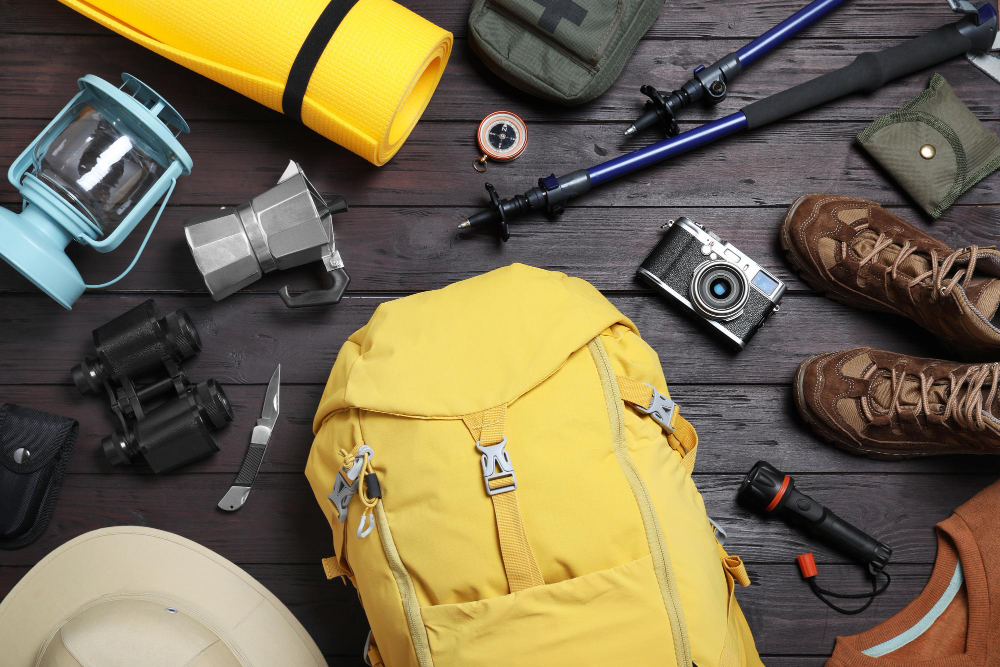
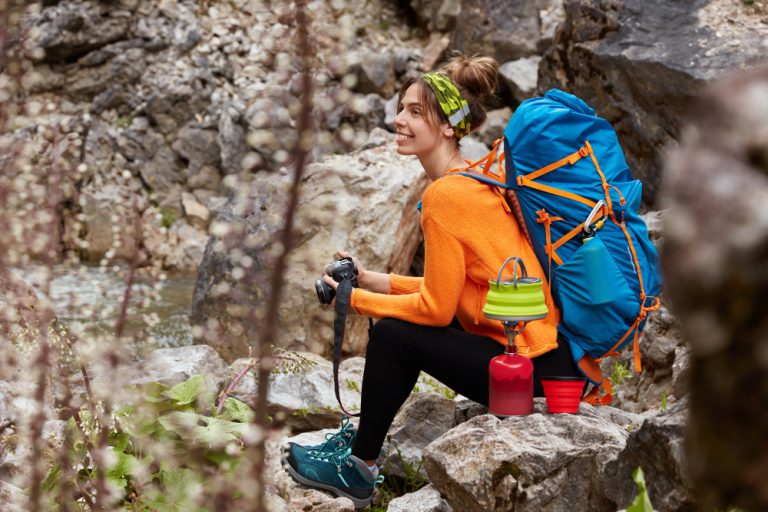
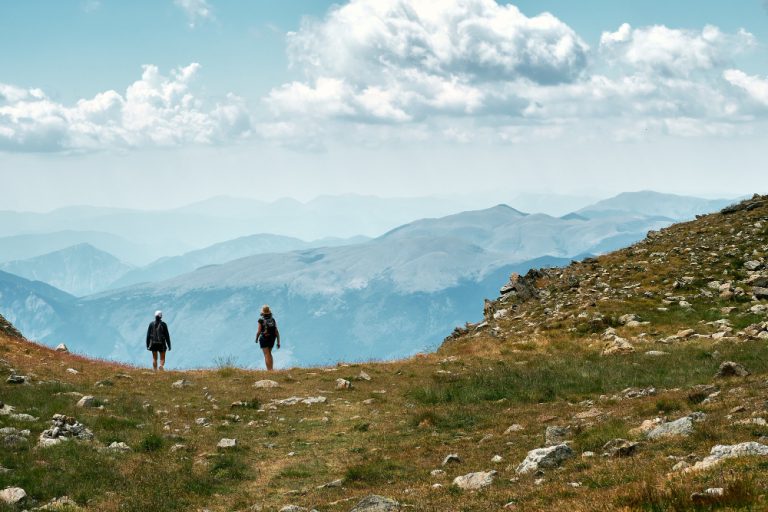
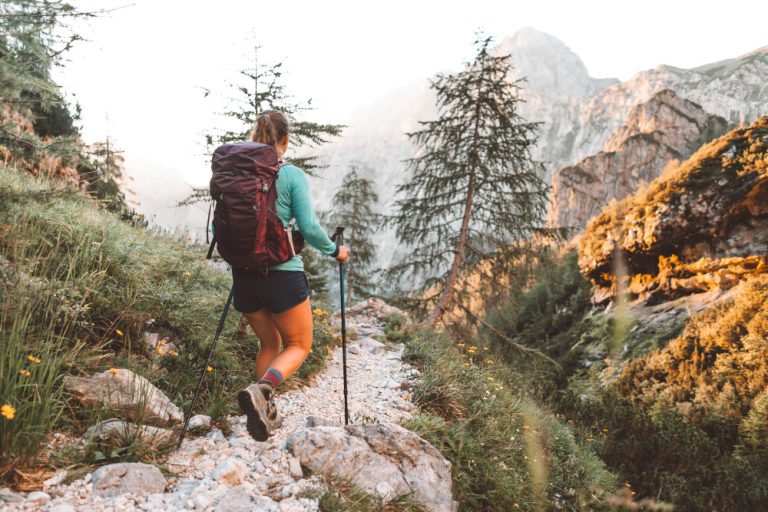
When it comes to hiking, the right equipment can turn a tough trek into a smooth, enjoyable journey. Whether you’re heading out for a short day hike or a multi-day mountain adventure, having the proper gear ensures your safety, comfort, and overall experience. In this post, we’ll walk through the must-have hiking equipment and how to choose what’s right for you.
1. Hiking Backpack: Your Adventure Companion
The backpack is the heart of your hiking gear. For day hikes, a 15–30 liter pack is usually enough to carry water, snacks, a jacket, and essentials. For longer treks, go for 40+ liters with a good support system, hip belt, and multiple compartments for organization.
Pro Tip: Look for a backpack with adjustable straps and breathable back padding to avoid discomfort on long hikes.
2. Footwear: Comfort and Protection with Every Step
Shoes can make or break your hike. Choose hiking boots for ankle support and rough terrains, or trail shoes for lighter, more flexible movement. Ensure they are waterproof and well-fitted to avoid blisters.
Don’t forget: Break in your shoes before a big hike — your feet will thank you later.
3. Clothing: Dress in Layers
Weather in nature can change quickly, so dressing in layers is key. Start with moisture-wicking base layers, add insulating layers (like fleece), and top it off with a waterproof jacket. Avoid cotton, as it absorbs moisture and dries slowly.
Extras: A hat, gloves, and a buff or scarf can make a huge difference in both sun and cold protection.
4. Navigation Tools: Stay on Track
Even on marked trails, it’s essential to have a map, compass, or GPS device. Many hikers also rely on apps, but always bring a physical map as a backup — batteries die, paper doesn’t.
5. Hydration and Food: Fuel Your Hike
Bring enough water (minimum 2 liters for a day hike) and consider a hydration bladder for easy access. Pack energy-rich snacks like trail mix, protein bars, nuts, or dried fruit. For longer hikes, bring lightweight meals or a stove system.
6. Safety Essentials: Be Prepared
Always carry a basic first aid kit, a whistle, a flashlight or headlamp (with extra batteries), and a multi-tool or knife. Sunscreen, insect repellent, and emergency blankets are small additions that make a big impact.
7. Trekking Poles: Extra Support
Trekking poles help with balance, reduce strain on knees, and make uphill or downhill sections easier. They’re especially helpful on uneven or slippery trails.